
It is probably also the greatest movie-related game I’ve ever played.
As a Resident Evil devotee, that should be hard for me to say. Surprisingly, it isn’t. Because Hellraiser: Revival really is just that good.
Let me give you some context for how hard this thing grabbed me. Before the game even came out, Saber put out a demo. Forty-five minutes long. I put twelve hours into it.
Twelve hours. Into a forty-five minute demo.
Then the full game landed on Steam, and I finished it in about fourteen. And then I did something I almost never do anymore: I went straight back to the beginning and started a second playthrough.
I don’t say this lightly, and I don’t like speaking in hyperbole. But this is the most faithful adaptation of anything I have seen in a very, very long time. Maybe ever.
The Box. You Opened It.
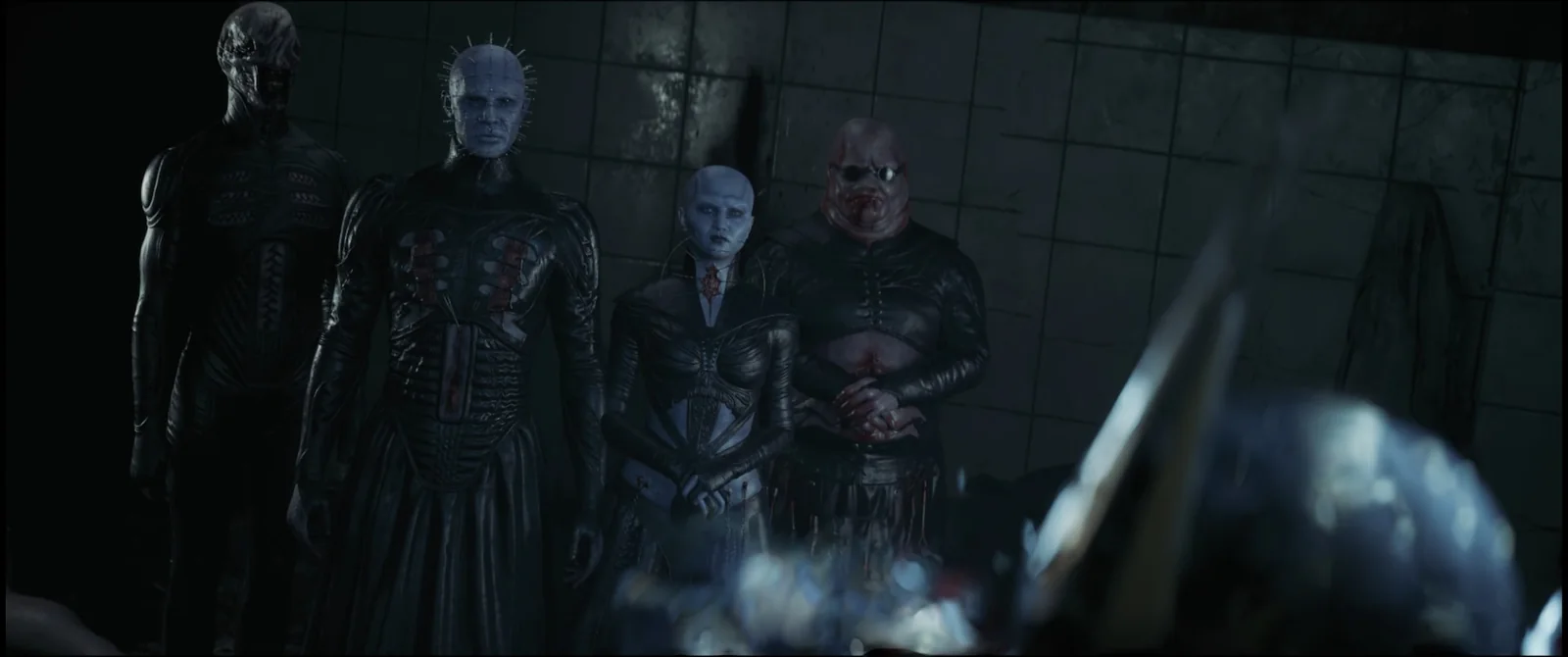
You play as Aidan Lynch, and Aidan is not a nice man.
He’s a former addict. A bruiser. A guy with a kinky side and a list of bad decisions long enough to wallpaper the attic. And his worst decision comes early, when he and his girlfriend, Sunny, decide that one of the configuration boxes would make a pretty great sex toy.
It does not.
Sunny gets ripped away by the Cenobites, viciously, and Aidan goes after her. From there you bounce between the real world and the Labyrinth, fighting off cultists in gimp masks, horrible abominations of flesh, and Labyrinthine puzzles, all while trying to save Sunny, uncover the truth, and discover the true extent of your own depravity.
And your own will.
That last part matters more than you’d think. I’ll come back to it.
Not Another Steam Horror Shovelware Title
Before I even touch the reverence this game has for its source material, I need to say something that sounds obvious but isn’t:
It feels GOOD to play.
Kind of important for a game, right? But be real with me. A game that got as little attention as this one did (almost certainly because of what’s inside it) is a game you expect to be another piece of Steam horror shovelware. Fun, maybe. Barebones. Low budget. Nothing particularly impressive, and acceptable at most.
Hellraiser goes the extra mile.
The guns feel good to use. Shotgun blasts actually stagger your enemies, and they stagger you, to the point of knocking you flat on your back. Melee requires timing, evasion, and actually knowing your weapons. Stealth feels like it matters instead of being a box the developers ticked.
And then there’s the box.
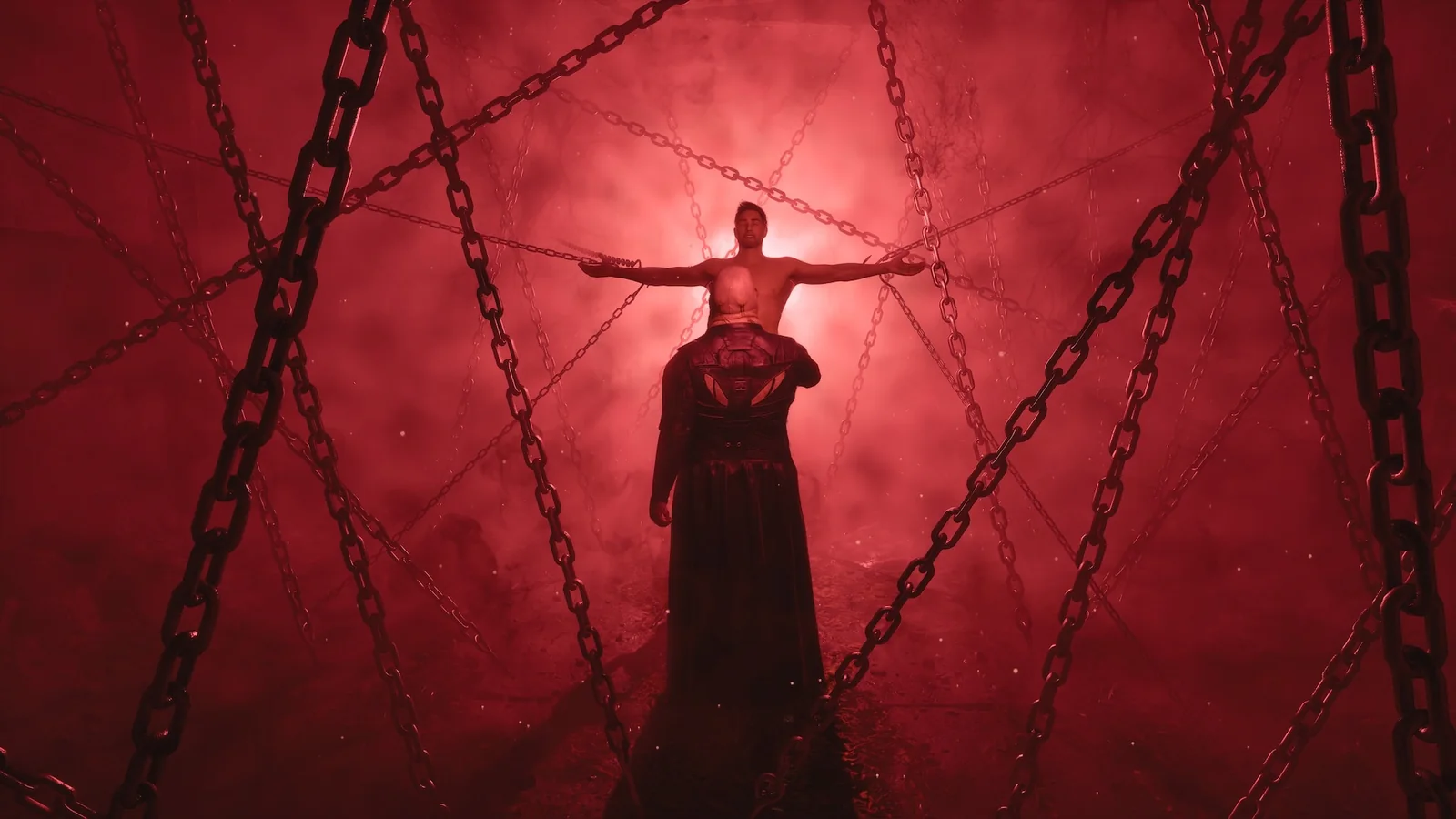
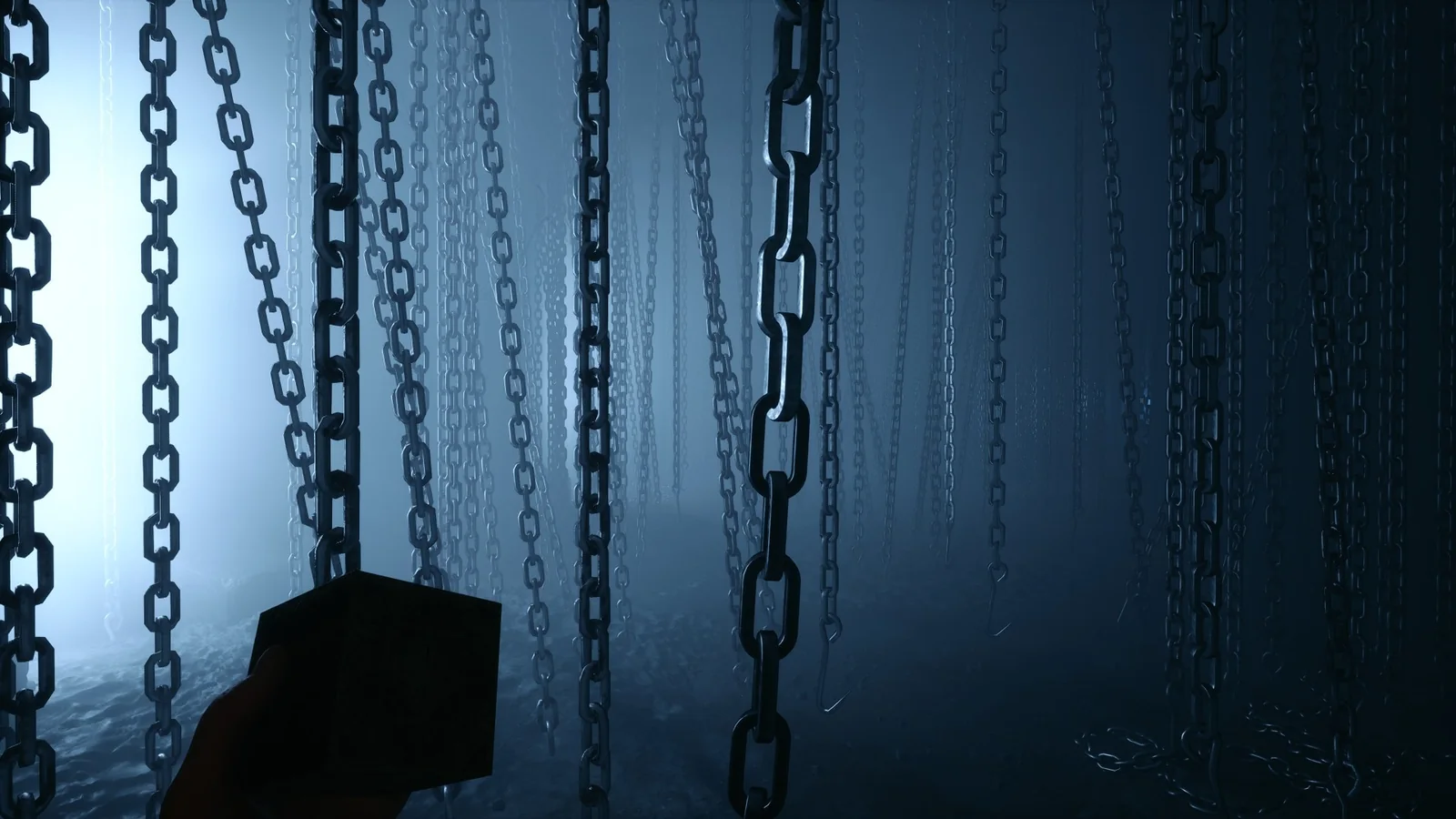
Beyond every weapon in your arsenal (and there are a few), you get to use the puzzle box itself as a weapon. You summon fire. You manipulate the Labyrinth. You pick up saw blades telekinetically and hurl them into enemies at high speed. You summon the chains of the Labyrinth and rip whole hordes apart, limb by excruciating limb.
This game could have gone the Amnesia route. It could have gone the Resident Evil 7 route and made you a guy with nothing.
Instead it hands you an arsenal (save your ammo, PLEASE) and a box that lets you wield the powers of hell and the elements against everything that wants you dead.
It Isn’t “Inspired By” Hellraiser. It IS Hellraiser.
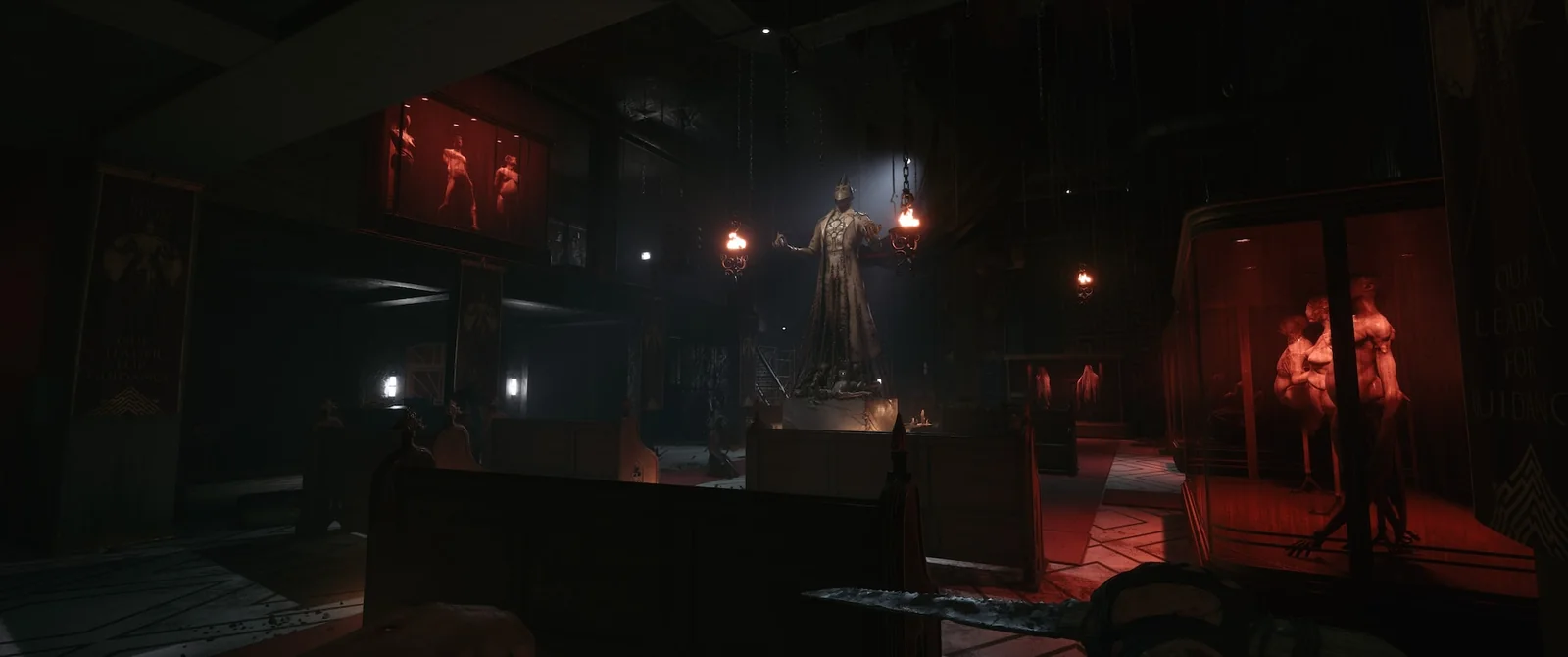
I said this may be the greatest horror game I’ve ever played, and I want to explain what I mean by that.
I have a bias toward Resident Evil. I know it, I own it, and I’ve written about it more times than I can count. A lot of the time, when I reach for a statement like that one, I reach for Resident Evil, because I love those characters and that universe.
But when I talk about Hellraiser: Revival, I find it hard to put a single Resident Evil game above it at being what it is supposed to be.
Hellraiser: Revival is EXACTLY what a Hellraiser game should be.
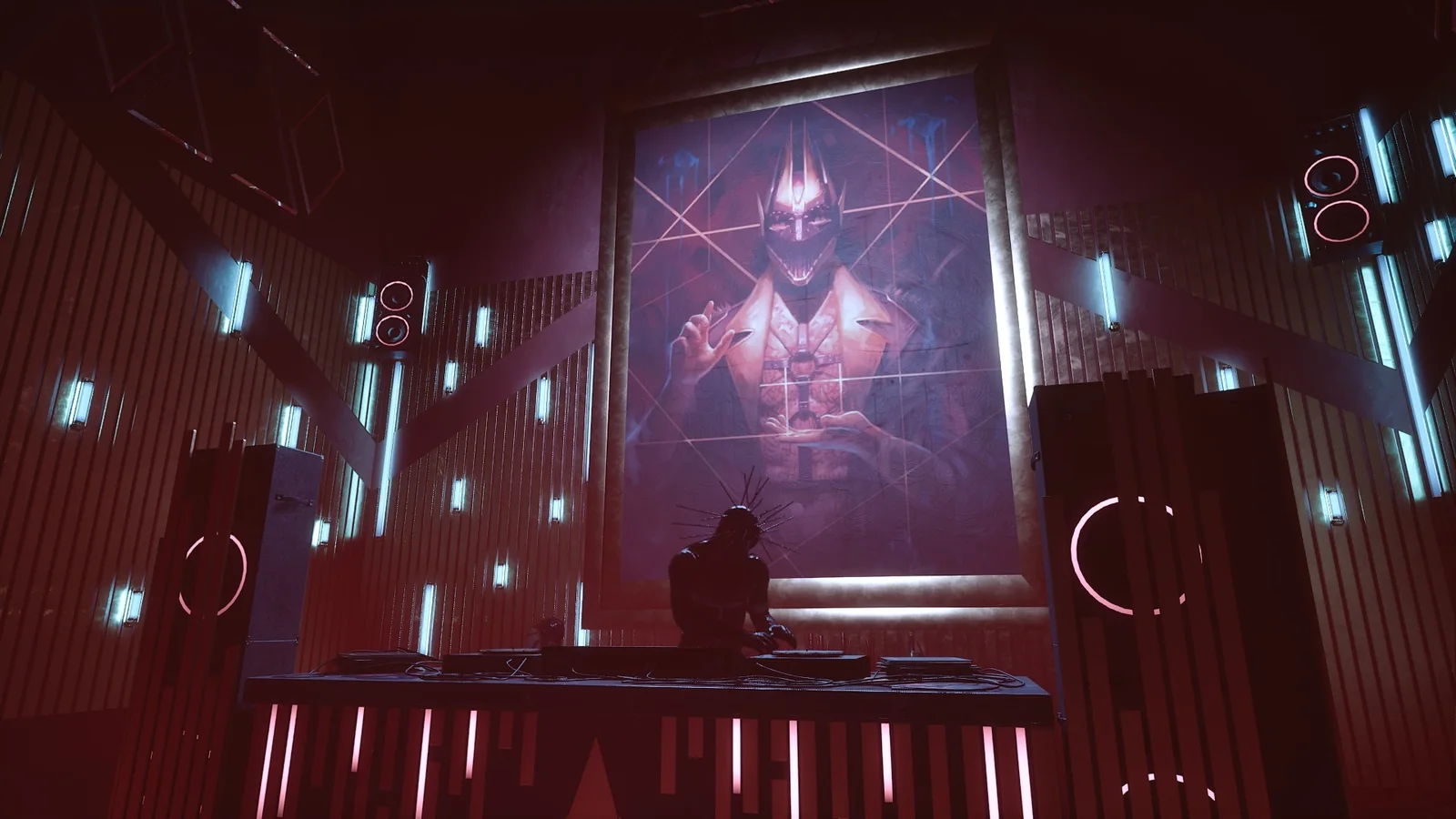
From the very opening scene, a man in a gimp mask sitting in a car outside a house while two people have sadomasochistic sex in a dingy attic, to the very end of the game, when the credits song will not stop telling you to “suck on my titties,” this game is HELLRAISER.
It is not “inspired” by Hellraiser. It is not Hellraiser because it has the tone and the box.
This is not a Cregger Resident Evil situation, where there’s some horror and a guy has to find ammo, so it must be Resident Evil.
No. This is unabashedly, unapologetically Hellraiser.
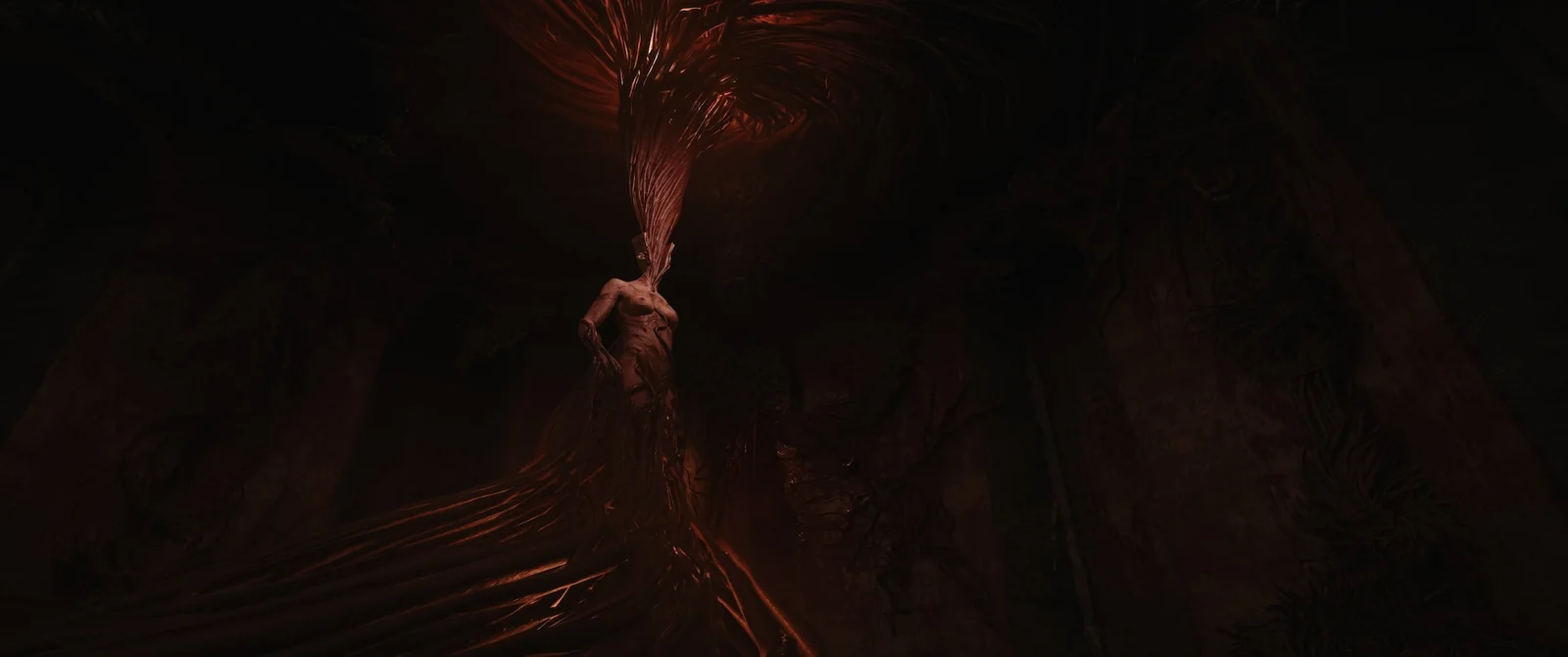
Pinhead, voiced by Doug Bradley. Hyper-sexualized violence. A Labyrinth meticulously strung together like a puzzle. A cult working to create a Cenobite of its own. Cenobites pulled from the deep lore, ones that people who never read the comics wouldn’t even recognize. Clive Barker himself was consulted on the story from the start.
It’s all here.
Its understanding of the universe it lives in is crystal clear. The gameplay is smooth. The graphics are virtually flawless. The animations are right where they need to be. And the content sits exactly at the level a Hellraiser game should.
The Asterisk: I’m Biased, and I Know It
Calling something the greatest horror game of all time means weighing it against a lot of games, because I have always loved horror.
Is it better than any of the first six Resident Evil games? Revelations? Resident Evil 9? Silent Hill 1 or 2? Amnesia?
I think the answer to each one is almost certainly yes.
That doesn’t mean it’s a better game than every one of them. But is it a better horror game?
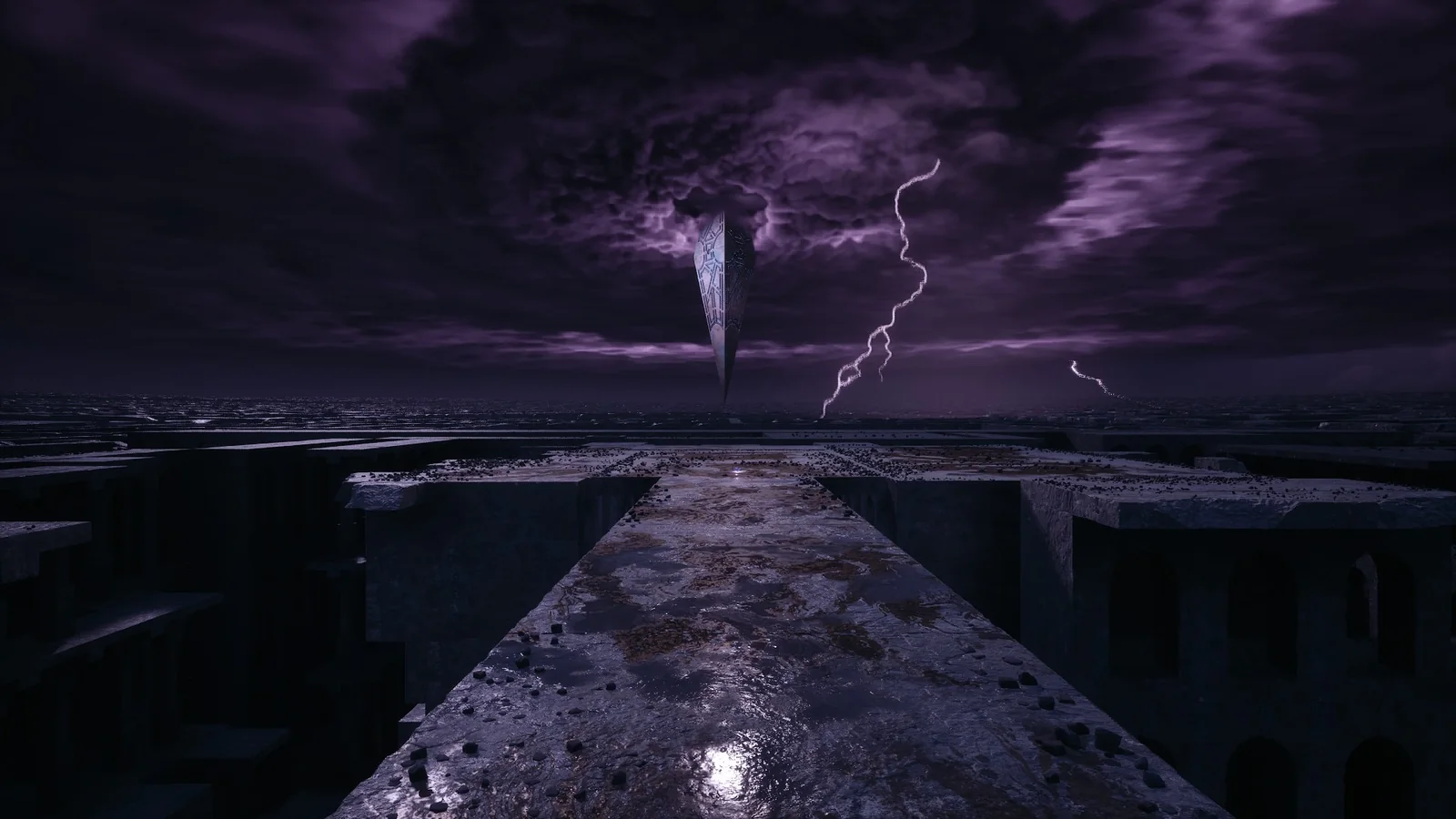
Does it carry its intended tone and concepts better? Does it leave you satisfied with the ending? Is the story well written? Are the environments engaging and beautiful? Are there parts that make me genuinely uncomfortable, or genuinely scared?
The answer to those questions is almost completely yes. And that’s coming from someone who is 100% biased toward Resident Evil, and self-aware enough to say so.
So is this the greatest horror game ever made?
Yes. No. Maybe. Probably.
But regardless of the answer, it definitely FEELS like it.
What This Game Taught Me About RE7 and Village
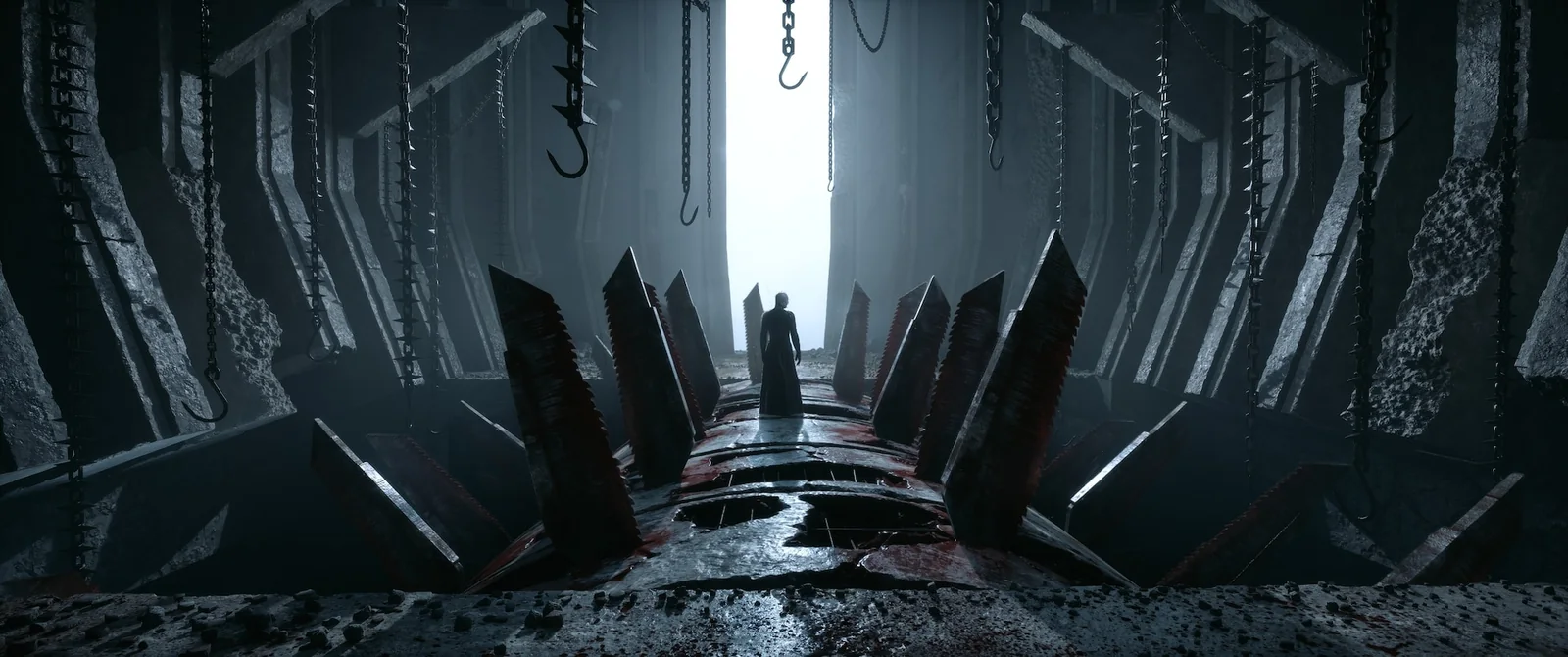
Here’s something I didn’t expect a Hellraiser game to teach me.
If Resident Evil 7 and Resident Evil Village had been called anything other than Resident Evil, I would have loved them both.
Because this game plays a lot like both of them. Especially Village. I counted at least ten points of comparison between the two that are near identical in structure, style, or pacing.
And I loved every one of them here.
That’s what I’ve been saying all along. The problem with 7 and 8 was never the gameplay or the style. It was that they called themselves Resident Evil games while there was no Resident Evil to be found inside them.
(Although I still stand by this: I have never seen a game with less enemy variety than Resident Evil 7, and that sends the boredom meter through the roof after a few minutes.)
Hellraiser doesn’t have a copious amount of enemy variety either. But between the box, the Labyrinth, and the puzzles, it has enough gameplay variety that it never once feels like “oh, I’ve done this already.”
Why I Keep Harping on Source Material
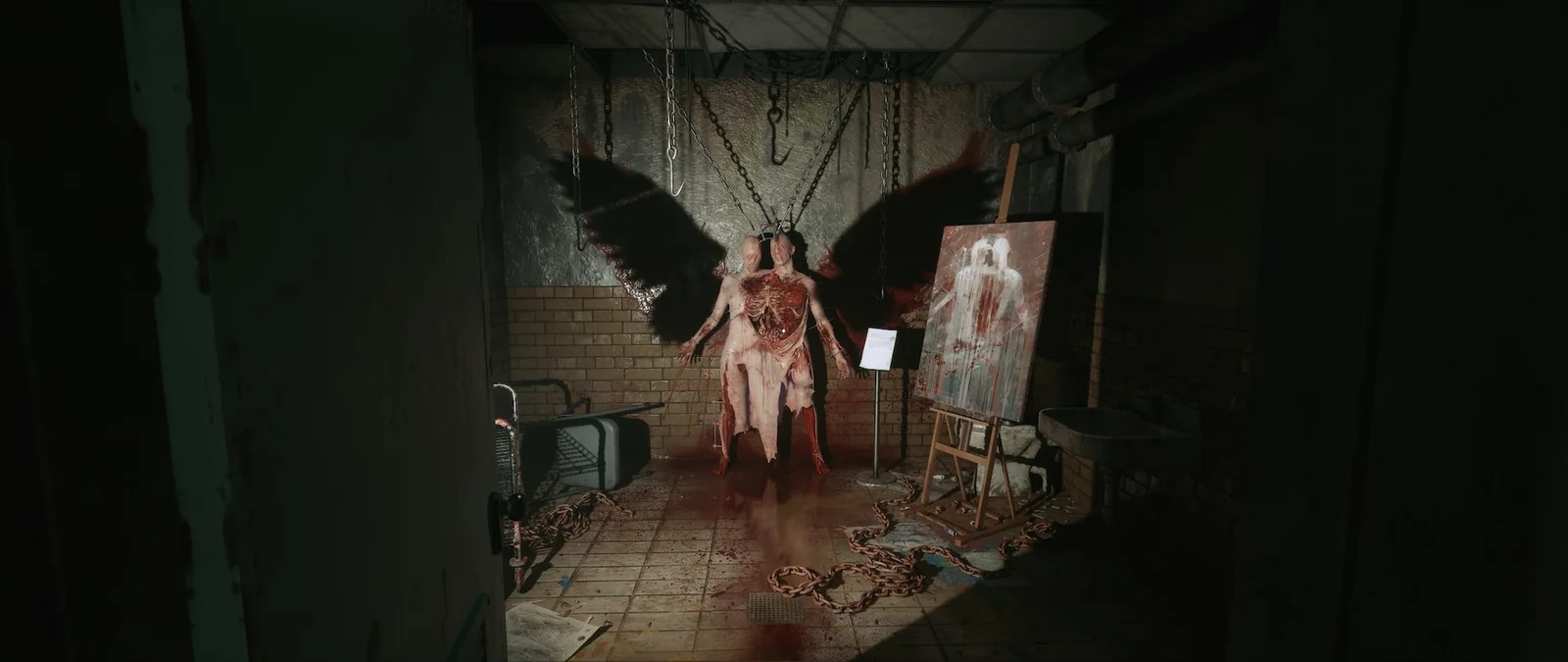
If you’ve read any of my blogs, you know how adamant I am about source material.
I don’t harp on it to be some kind of traditionalist. I’m not being a hipster about it. I harp on it because you can only replace so many parts of something before it is no longer that something.
It’s something different entirely, wearing the old name.
What Hellraiser: Revival does that so many things in 2026 don’t is simple: it doesn’t replace any parts.
It respects every part of the original, and sticks to them so closely, that it doesn’t just live up to the original. It exceeds it.
If Hellraiser: Revival weren’t a video game, it would be the best Hellraiser movie ever made.
And anyone who is a Hellraiser fan knows exactly how low that bar has been sitting since Hellbound.
After the first two films, the series fell off a cliff. Every movie after Hellbound in the original run loses track of what the Cenobites are, what their powers are, who Leviathan is, and what the boxes mean.
The 2022 reboot was alright. But it didn’t understand the storytelling at the heart of the series. The core of Hellraiser is obsession, addiction, desire, and want, and the reboot traded all of that for a bunch of characters who were less traumatized or afflicted and more just self-loathing. And it turned the Cenobites into slasher villains, when in the original canon they’re mostly neutral harbingers of fate.
They don’t hunt you. You call them.
For the longest time, Hellraiser and Hellbound: Hellraiser II were the only good things to come out of this property.
Now, in my opinion, they’re the second best.
They Wanted to Get Banned
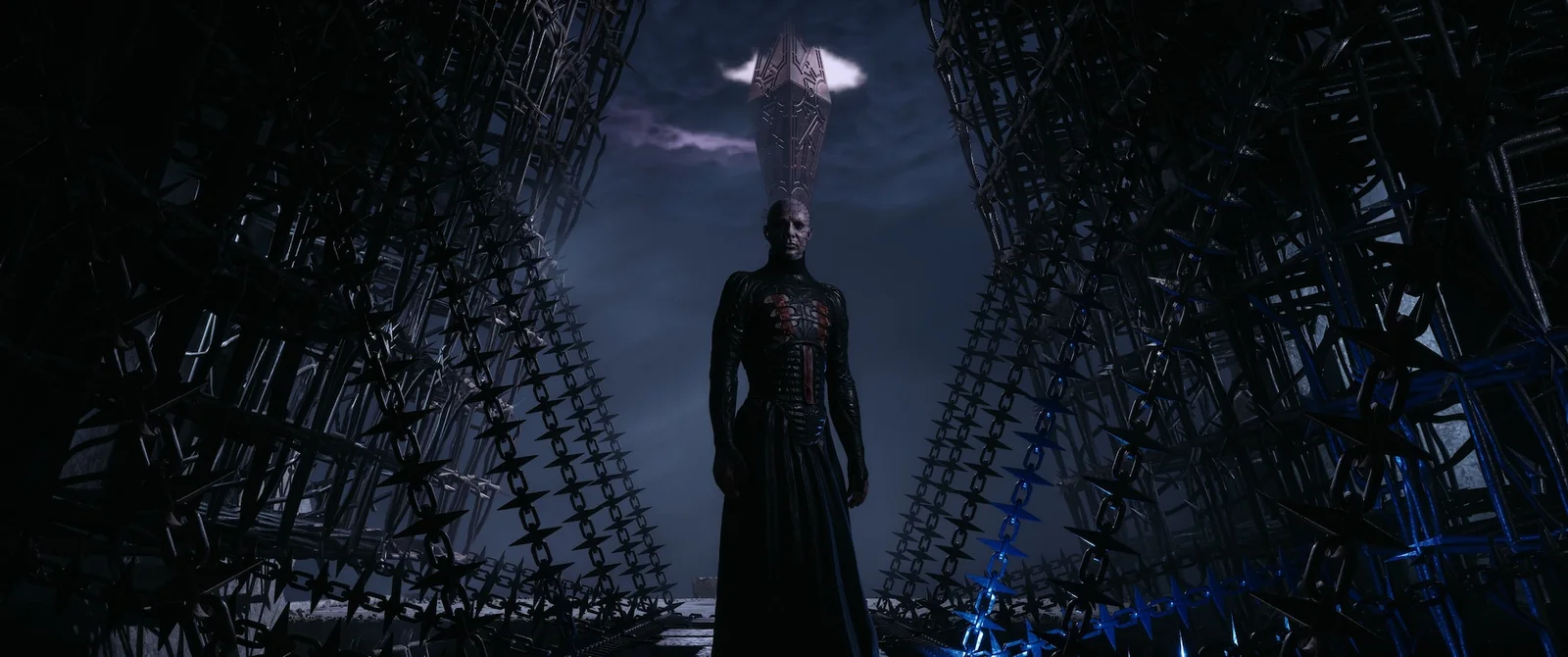
Here’s the kicker.
The people who made this game went into it wanting to get banned.
Not afraid of it. Wanting it. Here’s narrative director Antony de Fault, talking to PCGamesN:
“I maybe shouldn’t say this, but when we were making the game early on, we kind of always talked about the fact that we wanted to get banned in at least one country or one platform or something.”
And game director Emil Esov, on being turned away from events because the game was “too out there”:
“That to me means that it’s too Hellraiser, which means it’s just right.”
They pretty much got their wish.
Right before launch, Germany’s ratings board withdrew the game’s age rating after one of the German states objected. No rating means no digital storefront, so the game got pulled from Steam, PlayStation, and Xbox in Germany. Its trailers have been shadowbanned on YouTube. And a French YouTuber lost his entire channel, around 190,000 subscribers, over a gameplay video, even after he put black boxes over the nudity.
Think about that. A team cared so much about the source material, and stuck to it at such a level, that they were willing (literally hoping) to get banned for it. They took every chance they could possibly take, even at the possible expense of their own sales, to do right by the original tone, the canon, the characters, and the fans.
Hellraiser: Revival isn’t just a great Hellraiser game. It’s probably the greatest thing in the entire property.
“Redundant and… Disappointing”
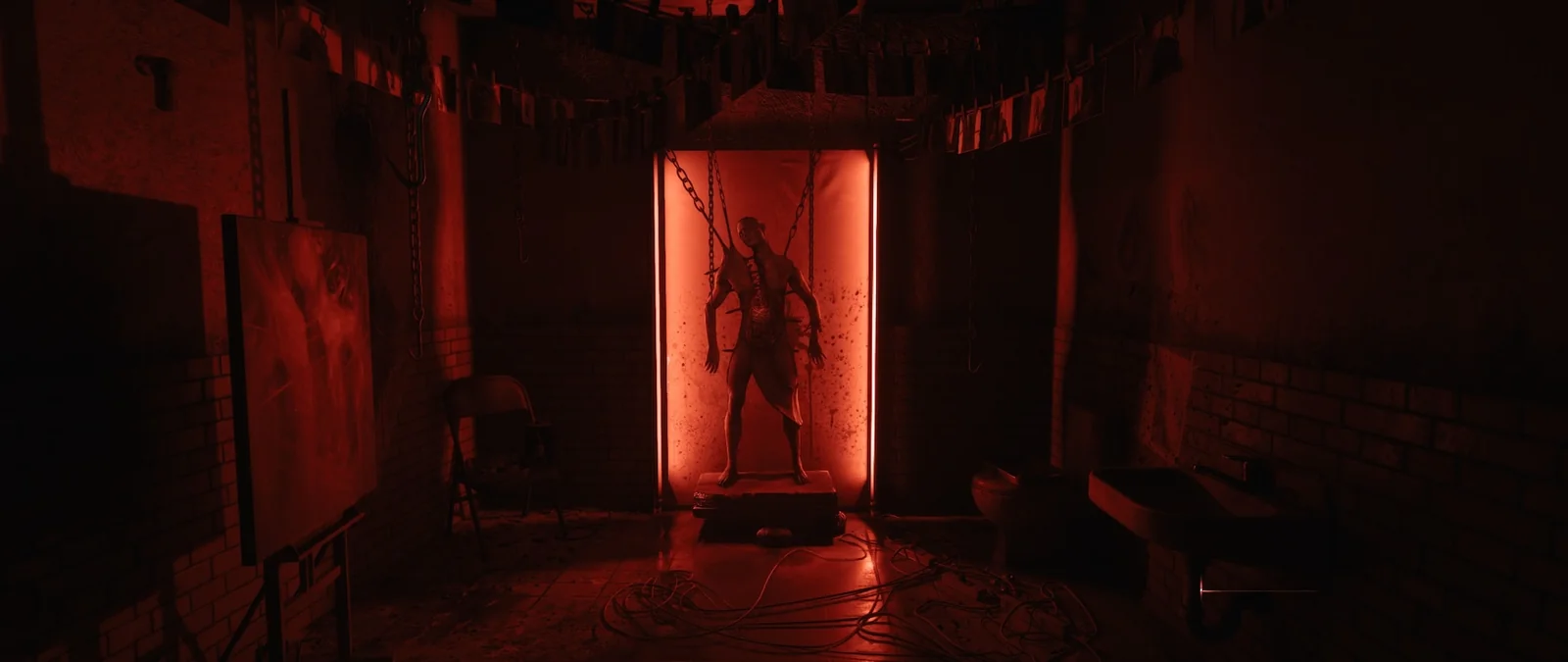
There’s a quote that has stuck with me ever since I first read it.
When Zach Cregger explained why he wasn’t going to tell Leon’s story in his Resident Evil movie, he said it would be “redundant and… disappointing.” He said he wanted to “satisfy me.”
Since then, I’ve watched the Street Fighter cast talk about how much they admire the games and how much attention they paid to the details. I’ve watched Mortal Kombat II in theaters and seen a movie that loves and understands where it came from.
And now I’ve played Hellraiser: Revival.
The amount of disrespect in that quote is unfathomable to me, coming from someone who signed on to make a movie about a thirty-year-old franchise with an entire roster of beloved characters and stories.
The team behind Hellraiser: Revival didn’t have that arrogance. In fact, they seem to have avoided it entirely, and made a game for the people who loved this thing, with the tone, the lore, and the universe kept perfectly intact.
And here’s what really got me. Not everyone on that team came in as a fan. The game’s own narrative director, the same Antony de Fault, has said it plainly: “To be totally honest, I wasn’t very familiar with Hellraiser when I first came onboard.”
He didn’t know it.
So he learned it.
He didn’t treat what he didn’t know as an excuse to do his own thing. He treated it as homework. That’s the whole difference, Zach. That’s it. That’s the entire argument.
The Movie-Game Bar Was Low. This Cleared It Anyway.
Movie-related games have a reputation, and they earned it. Most of them fall apart, or crap all over their source material.
There have been very few, if any, that actually improved on it.
A handful came close. X-Men Origins: Wolverine was immensely better than its movie. Alien: Isolation understands everything it needs to about the franchise it was born from. Aliens vs. Predator, the 360-era one, is an underrated gem that deserves more love and a remaster.
They’re all good in their own right.
But Hellraiser simply understands itself better than every single one of them.
The Attic

The very first cutscene in the game took me straight back to the attic from the first Hellraiser. Almost instantly.
The first scene of the demo tells you exactly how you’re going to feel about the entire twelve-to-fourteen-hour experience, and not once does the game waver from it. It grips you as a Hellraiser fan and holds on until the credits stop rolling.
And somewhere in there, something happens that I didn’t see coming.
If you’ve ever lived through any kind of trauma, or addiction, or a low point in your life, you start to relate to Aidan. The unlikeable bruiser with the bad habits and the worse decisions starts to look a little familiar.
By the very end of the game, I had to stop. I paused, and actually thought about what I was doing before I made a choice. Because some part of me felt like it was time he got his redemption.
And the game let me decide that, instead of deciding it for me.
That’s not a cheap horror game. That’s a story that knows exactly what it’s about.
My One Complaint
If I have one complaint, it’s that I wish it were longer. Another two or three hours would’ve been great.
And I find it hard to even call that a complaint. It doesn’t feel unfinished. The story doesn’t need more time. It ended when it should have, the story was completed and completed well, and the ending was perfect.
I just wanted more of it.
So, Once Again, for the People in the Back
Yes, I sound like a broken record. I’m going to keep sounding like one until it stops being necessary.
If you’re adapting a property to film or video games and you aren’t being true to it, then it doesn’t matter how many people pay for it, and it doesn’t matter what kind of reviews it gets. It is disrespectful to the source material. It’s disrespectful to thirty-plus years of legacy, characters, stories, and lore, all thrown away for the sake of “creative satisfaction.”
Hellraiser: Revival did the opposite.
They dove so deep into the heart of what makes Hellraiser Hellraiser that they were willing (looking forward to it, even) to have their game banned in at least one country. That is dedication. That is pulling no punches. And with the game hitting “Overwhelmingly Positive” on Steam with over two thousand reviews in, I would say they did exactly what they should have.
They didn’t try to make something with Hellraiser’s tone.
They tried to make Hellraiser.
And they were 100% successful.
They opened the box.
We came.